The biotech industry, also known as the biotechnology sector, leverages biological processes and living organisms to drive innovation in healthcare, agriculture, industry, and environmental sustainability. The biotech industry uses tools such as genetic engineering, gene editing, fermentation, cell culture, and recombinant DNA technology to create medical, agricultural, industrial, and environmental products.
Biotechnology contributes to healthcare through medical treatments, disease prevention, and patient care. These healthcare applications include gene therapy, stem cell treatments, and personalized medicine. The biotech industry had an estimated global market size of USD 1.55 trillion in 2023. The market is projected to reach USD 3.88 trillion by 2030 at a compound annual growth rate (CAGR) of 13.96% from 2024 to 2030, according to the cited market research source.
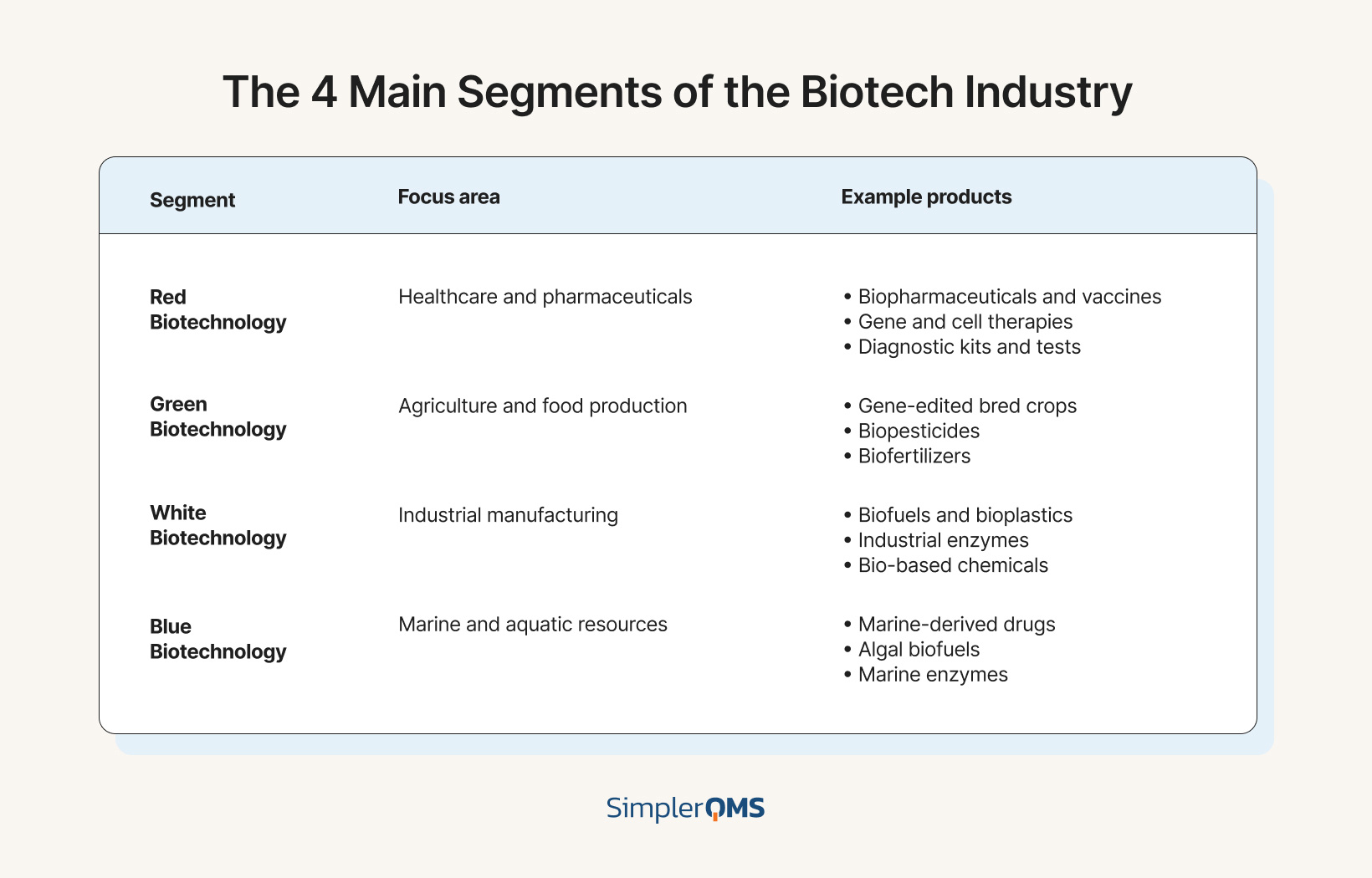
The biotechnology industry has 4 main segments, including red biotechnology, green biotechnology, white biotechnology, and blue biotechnology. Red biotechnology focuses on healthcare and pharmaceuticals, including vaccines, gene therapies, and diagnostics. Green biotechnology applies biotech in agriculture to improve crop yield, sustainability, and disease resistance. White biotechnology supports industrial applications such as biofuels, bioplastics, and sustainable manufacturing. Blue biotechnology uses marine organisms for pharmaceuticals, environmental solutions, and renewable energy.
Biotechnology has broad applications across healthcare, agriculture, industry, and environmental management, including gene therapies, genetically modified crops, biofuels, and bioremediation. Biotechnology enables advanced medical treatments, genetically modified crops, sustainable industrial products, and environmental solutions such as bioremediation and waste management. The biotech value chain includes research and discovery, product development, testing, and regulatory approval, manufacturing, and commercialization.
The biotech industry is regulated through frameworks such as GLP, GCP, GMP, FDA and EMA regulations, and ICH guidelines. These frameworks support product safety, quality, and compliance. Biotech firms use quality management systems such as SimplerQMS to manage complex regulatory requirements. SimplerQMS provides automated workflows, document control, corrective and preventive action (CAPA) management, training tools, audit trails, and scalable compliance solutions for good practice (GxP)-regulated environments.
What Is the Biotech Industry?
The biotech industry, also called the biotechnology sector or bioscience industry, leverages biological processes to drive innovation in healthcare, agriculture, industry, and environmental sustainability. Biotech companies use techniques such as genetic engineering, molecular cloning, fermentation, and cell culture to create medical, agricultural, industrial, and environmental products.
The biotech industry supports healthcare by developing therapies, diagnostics, vaccines, and precision medicine tools by combining advances in biology, engineering, and digital technologies. These innovations improve medical treatment, disease prevention, and patient care.
Key biotechnology innovations include gene therapy, stem cell treatments, and personalized medicine. These innovations support targeted treatment, tissue repair research, and patient-specific care.
The biotech industry is part of the broader life sciences industry, which includes pharmaceuticals, medical devices, and healthcare. The biotech industry also supports the bioeconomy by applying biological processes in agriculture, energy, and environmental systems. Biotechnology contributes to sustainable development by addressing climate change, food security, and public health challenges.
The Global Industry Classification Standard (GICS) classifies the biotech industry as the Biotechnology sub-industry within the Health Care sector. This classification helps investors and analysts evaluate biotech companies within healthcare markets.
The modern biotech industry emerged after Stanley Cohen and Herbert Boyer developed recombinant DNA technology in 1973. Recombinant DNA technology enabled gene manipulation and the creation of genetically modified organisms. Genentech, founded in 1976, helped commercialize recombinant DNA technology and became an early leader in the modern biotechnology industry.
The biotechnology industry focuses on 3 core functions: research and development, manufacturing, and commercialization. Biotech firms conduct research and development to discover biological processes, therapeutic techniques, and genetically engineered organisms. These discoveries address challenges in healthcare, agriculture, and industrial sectors. Biotech companies use biological manufacturing processes to produce vaccines, biologics, therapeutic proteins, and other biotechnology products at commercial scale. Biotech companies commercialize approved biotech products by marketing and distributing those products to healthcare providers, agricultural producers, and consumers.
How Big Is the Biotech Industry?
The global biotechnology market size was estimated at USD 1.55 trillion in 2023 and is projected to reach USD 3.88 trillion by 2030, growing at 13.96% CAGR from 2024 to 2030 according to Grand View Research.
Some of the largest and most influential biotech companies in the industry include Genentech (part of Roche), Amgen, Gilead Sciences, Novo Nordisk, Regeneron Pharmaceuticals, Moderna, BeOne Medicines, Vertex Pharmaceuticals, BioNTech SE , Genmab, BioMarin Pharmaceutical, Alnylam Pharmaceuticals and argenx. Genentech is particularly notable for its groundbreaking work in recombinant DNA technology
The world’s major biotechnology hubs are distributed across several key regions, with North America currently leading. The major biotech hubs around the world include the United States (US), Switzerland, the United Kingdom (UK), Germany, China, and Japan.
Several key trends are driving the growth and evolution of the biotech industry. These trends include technological integration, medical and therapeutic innovations, business and strategic trends, and agricultural and industrial shifts.
Technological integration refers to the growing use of advanced technologies, such as artificial intelligence (AI), machine learning, big data analytics, and automation, to accelerate biotechnology research and operations. Technological integration enhances data-driven decision-making, streamlines manufacturing processes, and drives efficiency in biotech companies.
Examples of technological integration in biotech include the following.
- AI, Machine Learning (AI/ML), and Big Data: The adoption of AI, machine learning, and big data technologies is a transformative trend, fueling demand for high-performance cloud infrastructure and expanding bioinformatics applications. These technologies are accelerating drug discovery pipelines in areas such as oncology, neurology, and immunology. AI is also helping with biomarker discovery and personalized medicine strategies.
- Automation and Advanced Bioprocessing: Laboratory automation, robotics, and advanced process monitoring are increasing manufacturing efficiency and enabling more scalable and consistent biopharmaceutical production.
Medical and therapeutic innovations involve developing new treatments and therapies designed to improve patient outcomes. This includes breakthroughs in gene therapy, personalized medicine, cell therapy, biologics, vaccines, and regenerative medicine, which are transforming how diseases are diagnosed, treated, and prevented.
The most notable examples are listed below.
- Personalized Medicine and Orphan Drugs: Personalised medicine is increasingly driven by genomic and biomarker-based diagnostics that allow treatments to be tailored to an individual’s molecular profile, most notably in oncology. This approach is also fuelling growth in orphan drug development, as genetic insight into rare diseases enables biotech startups and collaborations to pursue tailor-made treatments.
- CRISPR-Based Therapeutics: Gene-editing technologies such as CRISPR enable precise modification of DNA to correct disease-causing genetic mutations. These technologies are advancing treatments for inherited disorders, cancer, and other genetic diseases.
- Cell and Gene Therapies: Cell and gene therapies are growing rapidly, supported by significant global investment. These therapies are transforming the treatment of cancer, inherited genetic disorders, and rare disease through approaches such as CAR-T cell therapy, stem cell therapy, gene replacement therapy, and viral vector-based gene therapies.
- mRNA Platforms: Following the success of COVID-19 vaccines, mRNA technology is expanding into infectious disease vaccines, personalized cancer vaccines, and treatments for autoimmune and rare diseases.
Business and strategic trends reflect how biotech companies are adapting their operations, funding, and competitive strategies. These trends include increased mergers and acquisitions, strategic partnerships between biotech and pharmaceutical firms, continued investment in biotechnology innovation, globalization of R&D and manufacturing, and a growing focus on sustainability and regulatory compliance.
Examples of business and strategic trends are described below.
- Strategic Partnerships, Investment, and Mergers and Acquisitions (M&A): Mergers, acquisitions, and strategic partnerships in the biotech industry allow companies to pool resources and expertise, improving efficiencies and accelerating the development of novel therapeutics.
- Pandemic-Driven Acceleration: COVID-19 accelerated drug development timelines, proved the success of mRNA platforms, and streamlined regulatory approval processes for vaccines and therapeutics.
Agricultural and industrial shifts refer to the application of biotechnology in agriculture and industrial production. In agriculture, biotechnology is being used to develop genetically modified crops, improve food security, and create sustainable farming practices. In industrial sectors, biotech processes support the production of biofuels and biodegradable materials and enable environmentally friendly manufacturing methods that reduce reliance on traditional chemical processes.
Common examples are given below.
- Agri-Biotech Growth: The demand for biotech tools in agriculture is expanding. These tools include molecular breeding, gene editing, and genetically modified crops. Precision agriculture powered by biotech is helping to optimize crop yields, pest resistance, and food security while reducing environmental impact.
- Advanced Bioprocessing and Industrial Biotechnology: Advances in fermentation technology, continuous bioprocessing, single-use bioreactors, and bio-based manufacturing are enhancing the production efficiency of biomanufacturing. These innovations are contributing to the growth of both biopharmaceuticals and agri-biotech sectors.
How Does the Biotech Industry Differ From Other Life Sciences Sectors?
The biotech industry differs from other life sciences sectors because it develops products and technologies using living organisms, biological systems, cells, genes, and biomolecules. Other life sciences sectors may rely more heavily on chemical processes, medical devices, engineering, or diagnostic technologies.
The biotech industry differs from other life sciences sectors in the following ways, as listed below.
- Different Product Focus: Biotech companies develop products using living organisms, cells, genes, proteins, and other biological systems. Their products include biologics, cell and gene therapies, recombinant proteins, monoclonal antibodies, and mRNA-based medicines. In contrast, other life science sectors primarily develop chemically synthesized medicines, medical devices, diagnostics, laboratory technologies, and healthcare software.
- High Research & Development (R&D) Focus: Biotech companies allocate a significant portion of their revenue to R&D, reflecting their focus on discovery and breakthrough innovations. This differs from traditional pharmaceutical companies, which tend to have more established products on the market and may not need to invest as heavily in early-stage discovery.
- Higher Risk and Volatility: Biotech companies typically carry a higher risk profile than established pharmaceutical companies. Biotech firms often focus on novel, early-stage products that can take years to develop, with no guarantee of success. This contrasts with pharma companies, which have stable cash flows from already-marketed products and diversified portfolios.
- Regulatory Pathways: Biotech products, particularly biologics, cell and gene therapies, often follow a distinct regulatory pathway. Regulatory requirements place greater emphasis on manufacturing consistency, product characterization, and long-term safety monitoring because the products are derived from living systems. For example, in the U.S., biologics are generally approved through a Biologics License Application (BLA) submitted to the FDA’s Center for Biologics Evaluation and Research (CBER), which is often more complex than the New Drug Application (NDA) for chemical drugs.
- Complex Manufacturing and Supply Chains: Biotech products require specialized manufacturing because they are produced using living systems. Many biologics, and especially cell and gene therapies, need strictly controlled storage and transportation conditions to maintain product stability. For example, maintaining specific temperatures and environments during cell culture and bioreactor processing is crucial in biotech manufacturing, whereas chemical drugs typically have simpler storage requirements.
- Longer Market Exclusivity: Biologics in the U.S. generally receive 12 years of FDA market exclusivity, compared with the typical 5 years of exclusivity for new small-molecule drugs. This longer protection can help biotech companies recoup large R&D investments before biosimilars enter the market, although actual patent protection is separate and may vary by product.
Biotech and pharmaceuticals are distinct sectors within the broader life sciences industry. Both sectors focus on improving human health but differ in their methods and technologies. Biotech primarily utilizes living organisms, cells, biomolecules, and biological systems, while pharmaceuticals traditionally rely on chemical processes to create medicines. Although the two sectors often collaborate, particularly in the development of biologics and gene therapies, they maintain distinct methodologies and expertise.
What Are the Main Segments of the Biotech Industry?
The main segments or branches of the biotech industry are typically divided into key application areas using two complementary frameworks: the color taxonomy (Red, Green, White, Blue) and the application-based split (healthcare, agriculture, industrial, environmental). These biotech segments show how biotechnology applies to healthcare, agriculture, industrial manufacturing, marine, and environmental management.
The main segments of the biotech industry are described below.
- Red Biotechnology (Medical/Pharmaceutical Biotechnology): Red biotechnology develops medical and therapeutic products using biological systems and processes. Red biotechnology includes gene and cell therapies, vaccines, biopharmaceuticals, biomarkers, and diagnostic tools. It plays a crucial role in pharmaceutical innovation, driving the development of targeted therapies and personalized medicine that aim to provide more precise and effective treatments. Clustered regularly interspaced short palindromic repeats (CRISPR) and other gene editing platforms support red biotechnology applications in genetic disorders and cancer treatment research.
- Green Biotechnology (Agricultural Biotechnology): Green biotechnology uses biological tools in agriculture to improve crop yield, disease resistance, and nutritional content. Green biotechnology involves developing genetically modified organisms (GMOs), precision breeding, biofertilizers, and biopesticides. These approaches support food security and more sustainable farming by reducing reliance on some chemical pesticides or herbicides, improving efficiency, and enhancing nutritional value.
- White Biotechnology (Industrial Biotechnology): White biotechnology uses microorganisms, enzymes, and biological methods to improve industrial production. White biotechnology includes biofuels, bioplastics, enzymes, and other bio-based industrial materials. White biotechnology reduces environmental impact and supports sustainable manufacturing by replacing some chemical-based processes with biologically derived alternatives. White biotechnology includes bioremediation and algae-based biofuel development. These applications support waste reduction, renewable resource use, and circular production models.
- Blue Biotechnology (Marine Biotechnology): Blue biotechnology uses marine organisms and marine resources for commercial applications. By leveraging marine biodiversity, blue biotechnology identifies compounds for drug discovery and therapeutic research. Blue biotechnology also includes marine-derived biofuels and algae-derived products to support sustainable energy development. Blue biotechnology also explores the conservation of marine ecosystems while harvesting these valuable biological resources.
The four main segments of the biotech industry, their focus areas, and example products is shown in the image below.
Red Biotechnology
Red biotechnology is the biotechnology segment that uses living organisms and biological systems to develop human therapeutics, vaccines, and diagnostics. Red biotechnology applies to the medical and pharmaceutical industries through biology-based products and technologies that address healthcare challenges.
The red biotechnology focuses on product classes described below.
- Biopharmaceuticals: Biopharmaceuticals are drugs produced from biological sources, including monoclonal antibodies, recombinant proteins, and hormone therapies. These drugs are key to treating a wide range of conditions such as diabetes (e.g., insulin) and growth disorders (e.g., growth hormones). Monoclonal antibody production supports modern medicine by targeting cancers, autoimmune disorders, and infections. The biologics market continues to expand as new treatments for diseases emerge.
- Vaccines: Vaccines developed through red biotechnology use biological materials and modern biotechnology platforms to stimulate the immune system. These approaches include traditional biological methods such as live attenuated organisms alongside modern recombinant deoxyribonucleic acid (DNA), viral vectors, protein subunits, and messenger ribonucleic acid (mRNA). Red biotechnology vaccines include vaccines for coronavirus disease 2019 (COVID-19), hepatitis B, influenza, and other infectious diseases. Ribonucleic acid (RNA) technology, including messenger ribonucleic acid (mRNA) vaccines developed for COVID-19, represent a major milestone in modern red biotechnology.
- Gene Therapies: Gene therapies modify or replace faulty genes to treat genetic disorders such as muscular dystrophy and cystic fibrosis. Gene editing techniques such as clustered regularly interspaced short palindromic repeats (CRISPR)-associated protein 9 (Cas9) support both in vivo and in vitro editing approaches that target the genetic causes of disease.
- Diagnostic Kits and Tests: Diagnostic kits and tests in red biotechnology use biological markers and genetic technologies to identify diseases and monitor treatment effectiveness. These include genetic testing kits and biomarker assays for cancer detection and disease monitoring.
- Cell Therapies: Cell therapies use living cells to repair, replace, or regenerate damaged tissues and treat disease. Examples include chimeric antigen receptor T-cell (CAR-T) therapies for certain cancers, stem cell therapies, and regenerative medicine approaches that support tissue repair and immune system modulation.
Red biotechnology supports medicine and healthcare by developing biologics, vaccines, cell and gene therapies, and advanced diagnostic tools. Red biotechnology develops treatments such as monoclonal antibodies, therapeutic proteins, and messenger ribonucleic acid (mRNA) vaccines to treat or prevent cancer, genetic disorders, and infectious diseases. Red biotechnology enables gene editing and personalized diagnostics for early disease detection and targeted treatment.
Red biotechnology companies operate through research and development (R&D), clinical trials, scientific collaborations, and regulatory compliance. These companies follow requirements from agencies such as the U.S. Food and Drug Administration (US FDA) and the European Medicines Agency (EMA).
Major red biotechnology companies include Genentech, Amgen, Gilead Sciences, and Moderna, which develop biologics, vaccines, antiviral therapies, and other biotechnology-based treatments.
Green Biotechnology
Green biotechnology is the biotechnology segment that applies biological tools and processes to agriculture, food production, and plant-based systems. Green biotechnology uses living organisms, plants, and biological systems to improve crop yields and develop disease-resistant plants. Green biotechnology also supports bio-based agricultural products, making it essential for addressing challenges such as food security, sustainable agriculture, and environmental conservation.
Green biotechnology uses genetic engineering, gene editing, and molecular breeding approaches to develop crops with improved characteristics, including pest resistance, disease resistance, drought tolerance, climate resilience, and enhanced nutritional content. It also supports the development of biological agricultural products, such as biopesticides and biofertilizers, which can reduce reliance on conventional chemical pesticides and fertilizers.The product classes that fall under green biotech are listed below.
- Gene-Edited and Molecularly Bred Crops / Genetically Modified Organisms (GMOs): Advances in gene-editing technologies, including CRISPR-based approaches, allow more precise changes to plant genomes, while molecular breeding uses genetic information to accelerate the development of improved crop varieties compared with conventional breeding methods. Genetically modified organisms (GMOs) are crops engineered for beneficial traits such as pest resistance, disease resistance, drought tolerance, and heat tolerance. Examples of GMOs include Bacillus thuringiensis (Bt) cotton and herbicide-resistant soybeans. Bt cotton contains a gene from Bacillus thuringiensis that protects cotton plants against insect pests. Herbicide-resistant soybeans allow weed control without damaging the soybean crop. Genetic modification can increase agricultural productivity and reduce some farming-related environmental impacts, supporting sustainable agriculture goals.
- Biopesticides and Biofertilizers: Biopesticides and biofertilizers provide biological alternatives to synthetic pesticides and fertilizers. Biopesticides and biofertilizers are derived from natural organisms or biological processes. Biopesticides support integrated pest management (IPM) strategies by controlling pests with biological agents instead of relying only on synthetic chemical pesticides. Biofertilizers improve plant growth and soil fertility. Biofertilizers reduce some risks linked to synthetic fertilizers, such as nutrient runoff and soil microbial disruption.
Green biotechnology applies biological tools and processes to agriculture and environmental management. Green biotechnology improves crop quality, supports sustainable farming, and addresses climate-related agricultural challenges. Green biotechnology enhances crop nutrition, disease resistance, and crop yield. These crop improvements support food security. Biofertilizers and biopesticides reduce some environmental impacts from agricultural chemical use. Green biotechnology develops crops with tolerance to extreme conditions such as drought and flooding. Climate-tolerant crops increase agricultural resilience to climate change.
Green biotechnology companies research and develop genetically modified or molecularly bred crops. These companies conduct field trials to evaluate crop performance under different environmental conditions. Green biotechnology companies obtain regulatory approval before commercialization from agencies such as the US FDA, the United States Department of Agriculture (USDA), and the European Food Safety Authority (EFSA).
Major green biotechnology companies include Bayer, Syngenta, and Corteva Agriscience. These companies develop genetically engineered seeds, crop protection products, and agricultural biotechnology solutions.
White Biotechnology
White biotechnology, also called industrial biotechnology, uses microorganisms, enzymes, and cells in industrial manufacturing processes. White biotechnology produces sustainable chemicals, materials, and biofuels. White biotechnology reduces reliance on industrial processes that require high energy, raw material, or chemical input. It supports lower-impact and cost-efficient manufacturing methods.
White biotechnology applies biotechnology in industrial processes to create more sustainable and efficient manufacturing systems. White biotechnology develops industrial enzymes that replace some traditional chemical processes. It produces biofuels, bioplastics, and bio-based chemicals used across industries such as pharmaceuticals, textiles, cleaning products, and food processing. White biotechnology improves waste management and resource efficiency to reduce manufacturing-related environmental impact.
The product classes that fall under white biotechnology and their applications are described below.
- Biofuels: Biofuels are renewable energy sources produced from biomass feedstocks, including bioethanol and biodiesel. Biofuels reduce dependence on fossil fuels. Biofuel environmental benefits depend on feedstock selection, production efficiency, land-use effects, and lifecycle greenhouse gas emissions. Second-generation biofuels use lignocellulosic materials, such as agricultural waste. These non-food feedstocks reduce competition with food production. Through biorefining, biomass is converted into biofuels, contributing to a more sustainable energy future.
- Bioplastics: Bioplastics are plastics made from biological substances such as starch, plant sugars, or plant oils. Bioplastics provide bio-based alternatives to some petroleum-based plastics and certain varieties are designed to be biodegradable under specific conditions. One common example is polylactic acid (PLA), a biodegradable plastic used for packaging and disposable items. PLA biodegradation depends on disposal conditions and industrial composting availability. Biodegradable polymers such as PLA support plastic-waste reduction strategies when disposal systems can process the material properly.
- Industrial Enzymes (Biocatalysts): Industrial enzymes are biological catalysts that accelerate chemical reactions within manufacturing systems. Industrial biocatalysts are used widely in detergent production, pharmaceutical manufacturing, and food additive production. Enzyme-based catalysis can replace traditional chemical catalysts and reduce waste, energy demand, or harsh processing conditions. Biocatalyst use applies green chemistry principles to industrial operations. These principles improve resource efficiency and reduce some process-related environmental impacts.
White biotechnology supports sustainable manufacturing, renewable energy production, and environmental management. This sector develops biofuels from renewable resources. White biotechnology also creates chemicals and materials through biological processes that reduce waste and resource consumption. It supports bioremediation and waste-treatment solutions for industrial pollution.
White biotechnology companies collaborate with manufacturers and energy producers to commercialize biological solutions. These companies research biocatalysts and bio-based alternatives. White biotechnology companies operate biorefineries that convert renewable feedstocks into fuels, chemicals, and bioplastics.
Major white biotechnology companies include Novonesis, DSM, and DuPont. These companies develop enzymes, biomaterials, biofuels, and sustainable industrial process technologies.
Blue Biotechnology
Blue biotechnology uses marine and aquatic organisms to develop pharmaceuticals, biofuels, industrial materials, and environmental protection technologies. Blue biotechnology harvests the unique biodiversity of the ocean to identify bioactive compounds, marine enzymes, algae-based feedstocks, and conservation technologies.
Blue biotechnology uses marine and aquatic resources for industrial, environmental, and biomedical purposes. Blue biotechnology uses marine organisms such as algae, seaweed, and marine bacteria to support applications in pharmaceuticals, cosmetics, and industrial products. Blue biotechnology develops algae-based biofuels as renewable energy sources. Blue biotechnology uses marine enzymes in bioremediation and waste management to address environmental challenges.
The common product classes that fall under blue biotechnology are the following.
- Marine-Derived Drugs: Marine-derived drugs are pharmaceuticals derived from marine organisms such as fish, invertebrates, algae, and microorganisms. Marine-derived drugs include antibiotics, anticancer compounds, anti-inflammatory agents, and other therapeutic compounds. Marine organisms contain bioactive compounds that support marine pharmacology and drug discovery. For example, marine natural products such as spongothymidine from marine sponges contributed to nucleoside analog research for antiviral and anticancer therapies. Marine bioprospecting identifies compounds that support drug discovery, therapeutic research, and marine pharmacology.
- Algal Biofuels: Algal biofuels are fuels produced from algae biomass. Algal biomass is processed into bioethanol, biodiesel, and other biofuels. Algal biofuels reduce reliance on fossil fuels when they replace petroleum-based fuels. Algal biofuel sustainability depends on cultivation methods, processing efficiency, energy input, and lifecycle emissions. Sustainable algae cultivation supports algae-based biofuel production without direct competition with food crops. Large-scale production depends on cultivation cost, land use, water use, nutrient input, and processing efficiency.
- Marine Enzymes: Marine enzymes are enzymes extracted from marine organisms such as algae, microorganisms, and marine invertebrates. These enzymes support industrial applications such as food processing, pharmaceutical manufacturing, detergent production, and biofuel production. Marine enzymes can function under extreme conditions, such as low temperatures, high salinity, and high pressure, making them valuable in industrial bioprocesses. They also support wastewater treatment and bioremediation by breaking down pollutants in water and soil, providing a more sustainable method than traditional chemical treatments.
Blue biotechnology supports healthcare, sustainable industry, and marine conservation by developing marine-derived medicines, biomaterials, enzymes, algae-based biofuels, and environmental conservation technologies. It involves the discovery of therapeutic compounds from marine organisms for cancer and infection research and produces algae-based biofuels that reduce carbon emissions when lifecycle conditions are favorable. Blue biotechnology uses marine enzymes and organisms for water purification, waste treatment, and biodegradable materials.
Blue biotechnology companies explore marine biodiversity to discover bioactive compounds, marine biomaterials, and industrial enzymes. These companies collaborate with pharmaceutical, food, cosmetics, and energy companies to develop innovative marine biotechnology products while supporting the sustainable use of resources.
Notable blue biotechnology companies include Aker BioMarine, Marinova, and PharmaMar. These companies work in areas such as seaweed extracts, marine ingredients, and marine biotechnology products.
What Are the Applications of the Biotech Industry?
The biotech industry applies biological systems, organisms, cells, and biomolecules to develop products and technologies for healthcare, agriculture, industrial processes, and environmental management. Biotechnology improves human health, agricultural productivity, manufacturing efficiency, and environmental sustainability.
Biotechnology applications across these sectors have produced innovative therapies, pest-resistant crops, sustainable manufacturing, bio-based materials, renewable fuels, and bioremediation methods. In healthcare, biotechnology has produced approved therapies for diseases that previously had limited treatment options, including gene therapies for genetic disorders and biologics for cancer treatment. In agriculture, biotechnology improves crop yields and climate resilience, develops pest-resistant crops, and supports sustainable farming practices.
Industrial biotechnology produces biofuels and bioplastics that replace some petrochemical-based products. The environmental benefit depends on feedstock selection, production efficiency, and lifecycle impact. Biofuels only reduce carbon emissions when lifecycle conditions are favorable. In environmental applications, biotechnology supports bioremediation, contaminated-site cleanup, and pollution control.
Biotechnology outcomes support ecosystem restoration, sustainable agriculture, and healthcare treatments that improve disease management.
The main applications of the biotech industry are described below.
- Gene Therapy: Gene therapy uses biotechnology to modify or replace defective genes to treat genetic disorders such as muscular dystrophy, cystic fibrosis, and hemophilia. Technologies like CRISPR and gene therapy vectors enable targeted treatments that can correct genetic defects at the source.
- Cell Therapies: Cell therapies use living cells to repair, replace, or regenerate damaged tissues and treat disease. Examples include chimeric antigen receptor T-cell (CAR-T) therapies for certain cancers, stem cell therapies, and regenerative medicine approaches that support tissue repair and immune system modulation.
- Vaccines: Biotech plays a key role in developing mRNA vaccines, recombinant DNA vaccines, and other vaccine technologies to prevent diseases like COVID-19, influenza, and Hepatitis B. The success of mRNA vaccine technology represents a significant breakthrough in biotechnology, offering rapid response solutions to global health crises.
- Biopharmaceuticals: Biotechnology enables the production of biologics such as monoclonal antibodies, insulin, and growth hormones. Biopharmaceuticals treat diseases and conditions such as cancer, diabetes, growth disorders, and autoimmune disorders.
- Diagnostics: Diagnostics in biotechnology include genetic testing, biomarker assays, and molecular diagnostics for early disease detection and personalized treatment planning. These tools provide critical insights into disease pathways and help optimize patient care.
- Genetically Modified Crops: Biotechnology develops genetically modified crops with resistance to pests, diseases, and environmental stresses such as drought. Genetically modified crops support food security by increasing crop yield and reducing reliance on some chemical pesticides.
- Biopesticides and Biofertilizers: Biotechnology develops biopesticides and biofertilizers as biological alternatives to synthetic pesticides and fertilizers. These products enhance soil health and promote long-term farming sustainability.
- Precision Agriculture: Biotechnology-driven tools support precision agriculture by optimizing water use, fertilizer use, and crop-yield management. Through genetic modification and advanced farming techniques, biotech is transforming agricultural practices to be more efficient and environmentally friendly.
- Biofuels: Biotechnology produces biofuels such as bioethanol, biodiesel, and algal biofuels from renewable biological feedstocks. Biofuels reduce fossil fuel dependence and may lower carbon emissions when feedstock sourcing, processing, and lifecycle conditions are favorable.
- Bioplastics: Biotech contributes to the creation of bioplastics such as PLA, which is biodegradable and an alternative to petroleum-based plastics. This reduces environmental pollution and supports a circular economy in manufacturing.
- Biocatalysts: Biocatalysts, including enzymes and microorganisms, replace some chemical catalysts in manufacturing. Biocatalysts improve production efficiency by reducing waste, energy demand, or harsh reaction conditions in specific processes. Applications span across industries, from detergent production to pharmaceuticals and food additives.
- Bioremediation: Bioremediation uses microorganisms to degrade, transform, immobilize, or remove pollutants from contaminated environments, including oil hydrocarbons and heavy metals. This provides an environmentally friendly way to restore damaged ecosystems.
- Phytoremediation: Phytoremediation uses plants to absorb, stabilize, transform, or degrade contaminants in soil, water, or air. This natural and cost-effective solution helps clean polluted sites and contributes to sustainable environmental practices.
- Waste Management: Waste management uses biotechnology for waste treatment and resource recovery by converting organic waste into resources such as biogas. Microbial fuel cells (MFCs) generate electricity from organic waste through microbial activity, creating more efficient and sustainable waste management systems.
How Does Biotech Industry Operate Across Value Chain?
The biotech industry operates across the value chain by encompassing all the stages involved in bringing a biotech product, from idea to market, including research, development, manufacturing, and commercialization. Each stage involves distinct processes, stakeholders, regulatory requirements, and investments to ensure successful product development and market entry.
The key stages in the biotech value chain and their functions are listed below.
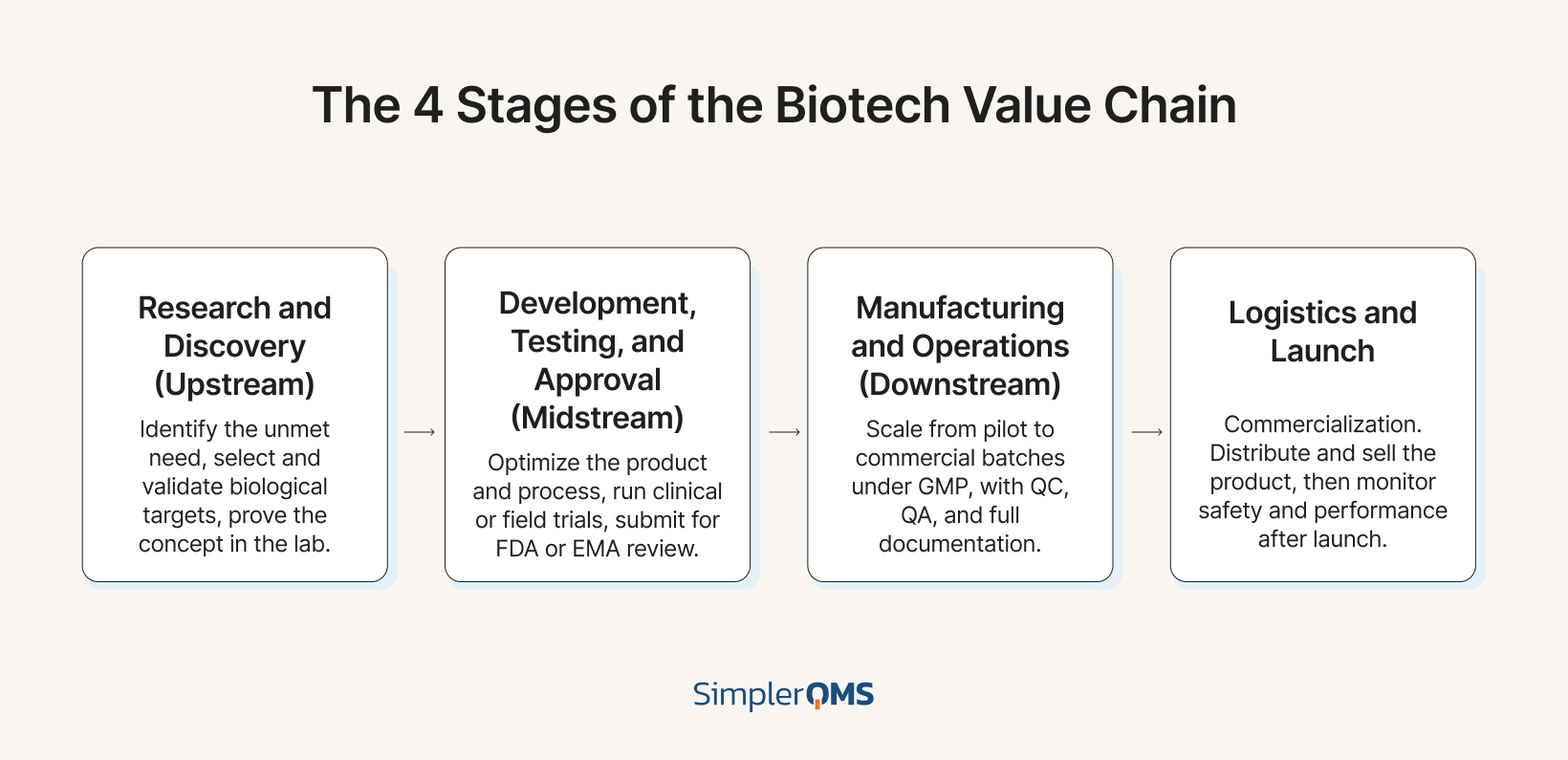
- Research and Discovery (Upstream): Research and discovery begins with identifying an unmet medical, agricultural, industrial, or environmental need. Researchers investigate biological mechanisms, review existing literature, select samples, and design experimental protocols. The Research and discovery goal is to identify candidate proteins, genes, cells, or compounds that address the defined product-development need.
- Product Development, Testing, and Regulatory Approval (Midstream): Product development refines promising candidates through process optimization, testing, validation, and performance evaluation. Testing requirements vary depending on product type. Medical biotechnology products undergo clinical trials to demonstrate safety and efficacy. Regulatory requirements define how trial protocols, safety monitoring, endpoints, and documentation are managed. Biotech companies must gain regulatory approval from bodies such as the USFDA or EMA before progressing to commercialization.
- Manufacturing and Operations (Downstream): Manufacturing and operations is the stage where validated biotech products are manufactured at a commercial scale and prepared for market distribution. This stage scales production from pilot batches to commercial batches while maintaining quality control, operational efficiency, and regulatory compliance.
- Logistics and Commercialization: Logistics and commercialization move the approved biotech product into the market. This stage includes market access, sales, marketing, customer engagement and post-market monitoring to support product adoption and ongoing regulatory compliance.
The biotechnology ecosystem includes key stakeholders such as researchers, biotech companies, regulatory agencies, investors, suppliers, manufacturers, distributors, and customers. These stakeholders support research, development, regulation, production, and commercialization.
Researchers and scientists conduct foundational studies in fields such as therapeutics, diagnostics, and agricultural biotechnology. Biotech companies develop, test, and commercialize these innovations into marketable products. Regulatory bodies, including the US FDA, EMA, and the USDA, oversee product safety, quality, and approval processes.
Investors and venture capital firms provide funding for biotech startups and product development. Suppliers provide raw materials, laboratory equipment, production facilities, and technical services across the biotech value chain. Manufacturers produce biotech products at a commercial scale while distributors support product availability. Customers and end users include healthcare providers, agricultural producers, and industrial manufacturers.
Outsourcing is common in medical biotechnology because pharmaceutical product development requires specialized services such as preclinical testing, clinical trial management, biologics manufacturing, packaging, and regulatory support. Contract research organizations (CROs) provide preclinical study support, clinical trial services, data analysis, and regulatory support. CRO services allow biotech firms to keep internal resources focused on product strategy and scientific decision-making. Contract manufacturing organizations (CMOs) specialize in large-scale manufacturing, biologics production, and packaging. CMO partnerships can reduce internal manufacturing burden and support faster commercial production when capacity and quality requirements are met. Contract development and manufacturing organizations (CDMOs) offer integrated services that combine product development, process optimization, manufacturing, and regulatory assistance. CROs, CMOs, and CDMOs help medical biotech companies streamline operations, access specialized expertise, and scale products from research to commercialization.
The four stages of the biotech value chain, from research and discovery to product launch is shown in the image below.
1. Research and Discovery (Upstream)
Research and discovery is the upstream stage of the biotech value chain. This stage identifies unmet healthcare, agricultural, industrial, or environmental needs. Researchers investigate biological systems and processes, identify promising biological targets, and develop early product concepts. Research and discovery supports biotechnology product development by creating the scientific foundation for product development and testing.
The purpose of the research and discovery phase is to evaluate innovative biotechnology product candidates that address unmet needs. Depending on the application, researchers investigate biological targets, microorganisms, plant traits, enzymes, cells, genes, or biomolecules that can be developed into new products, technologies, or manufacturing processes. Early research evaluates technical feasibility, biological activity, safety and commercial potential before further product development.
The main activities involved in Research and discovery are described below.
- Problem or Unmet Need: Identifying unmet needs where existing products or technologies are insufficient. This activity defines the scientific, technical, or commercial problem that a biotechnology solution aims to address.
- Biological Understanding: Gaining in-depth knowledge of the biological processes, organisms, cellular pathways, genetics, or to inform product development.
- Target Selection: Choosing a specific biological target that can be modified or utilized to achieve the desired outcome. Examples of targets include proteins, genes, receptors, enzymes, microorganisms, cell types, or plant traits. Targets are selected based on scientific evidence, biological relevance, and commercial potential.
- Product Design: Designing a biotechnology product based on the selected target and intended application. Product concepts include therapeutics, vaccines, genetically improved crops, industrial enzymes, or other biotechnology-based solutions. This involves selecting the appropriate molecular structure, formulation, and delivery method.
- Lab Research and Proof of Concept: Conducting early experiments in the lab to test the product’s functionality, activity, and safety in controlled environments. Lab studies involve cell cultures, biochemical assays, molecular biology techniques, or other experimental models to demonstrate proof of concept.
Research and discovery in biotechnology involves collaboration between internal teams and external partners. These stakeholders identify scientific opportunities, validate biological targets, and develop early product candidates. Internal R&D teams include research scientists, biochemists, biologists, pharmacologists, and product development teams. Academic institutions contribute research expertise and scientific knowledge. Contract research organizations (CROs) provide specialized laboratory services and technical support. Biotechnology incubators and accelerators provide funding, infrastructure, and mentorship for early-stage biotechnology companies.
The main research and discovery inputs include scientific literature, research data, genomic sequencing, computational modeling, laboratory facilities, experimental equipment, and financial support from investors or grants. Research and discovery inputs produce outputs such as validated biological targets, lead product candidates, and proof-of-concept data. Together, these outputs form the foundation of a company’s development pipeline and future product opportunities.
Research and discovery creates value by generating new product candidates, supporting intellectual property creation, reducing scientific risk through early validation, and building the company’s development pipeline. However, it is also highly risky and resource-intensive, with challenges such as scientific complexity, high failure rates, strict regulatory compliance, funding constraints, and intellectual property protection.
Research and discovery success is measured through metrics such as patents, publications, target validation rates, proof-of-concept success rates, time to discovery, and funding secured. These metrics reflect R&D pipeline productivity and potential for successful product development.
2. Product Development, Testing, and Regulatory Approval (Midstream)
Product development, testing, and regulatory approval (midstream) refers to the phase in the biotech value chain where product candidates are transformed into commercial products through product optimization, testing, validation, and regulatory review. The development pathway varies depending on the biotechnology application. Medical biotechnology products progress through preclinical studies and clinical trials, while agricultural, industrial, and environmental biotechnology products undergo field trials, pilot-scale studies, and process validation.
The purpose of product development, testing, and regulatory approval is to optimize product design, demonstrate safety, quality, and effectiveness, and generate the scientific evidence required for commercialization. Regulatory authorities review this evidence before approving, authorizing, or registering products for market entry.
The main activities involved in product development, testing, and regulatory approval are listed below.
- Product Development and Process Optimization: Refining the product concept into a commercially viable product by optimizing formulation, manufacturing processes, analytical methods, product stability, and overall performance.
- Testing and Validation: Product candidates undergo testing before processing to commercial development. Medical biotechnology products undergo preclinical studies in laboratory and animal models to evaluate safety, pharmacology, and efficacy before clinical trials. Clinical trials evaluate safety, efficacy, dosage and therapeutic benefit in humans before regulatory submission. Agricultural biotechnology products typically undergo field trials while industrial and environmental biotechnology products undergo pilot-scale testing and process validation.
- Approval Submission: Preparing and submitting all scientific, technical, manufacturing, and testing data to regulatory authorities for approval to bring the product to market.
- Regulatory Review: Regulatory bodies review the submitted evidence to ensure the product meets safety, performance, efficacy, and regulatory requirements. They may approve the product for commercialization, request further evidence or testing, or deny approval.
Product development, testing and regulatory approval in biotechnology involves collaboration between internal company teams and external partners. Internal stakeholders include product development teams, process engineers, analytical scientists, and clinical research teams who optimize products and manufacturing processes, and complete product testing, including clinical trial management, where applicable. Regulatory affairs teams prepare submissions and ensure compliance with agencies such as the US FDA, EMA, and USDA. Project management teams coordinate timelines, budgets, milestones, and cross-functional collaboration among product development, regulatory, quality, and commercial teams. External partners include CROs, CDMOs, testing laboratories, clinical trial sites, and regulatory consultants.
Key inputs to product development, testing, and regulatory approval include product candidates, manufacturing processes, analytical methods, testing protocols, and regulatory requirements. These inputs generate outputs such as optimized manufacturing processes, safety and performance data, clinical data, regulatory submissions, product approvals, and requests for additional studies.
This stage creates value by confirming whether a product is safe and effective, enabling regulatory approval and legal market access, and validating commercial potential for future partnerships and sales. However, it is also highly risky and complex, with challenges such as high failure rates, regulatory delays, patient recruitment difficulties or field trial variability, compliance burdens across regions, and ethical considerations in human testing.
Product development, testing, and regulatory approval success is measured through safety outcomes, product performance, approval timelines, clinical phase success rates, and regulatory compliance. These metrics determine whether a biotechnology product can move toward commercialization.
3. Manufacturing and Operations (Downstream)
Manufacturing and operations (downstream) refers to the phase of the biotech value chain in which the product is produced at commercial scale and prepared for distribution. Manufacturing and operations optimizes production processes for commercial-scale manufacturing. This downstream stage supports efficiency, regulatory compliance, and production capacity for market demand.
The purpose of manufacturing and operations is to scale production from laboratory or pilot scale to commercial production. Manufacturing and operations ensure the product is produced reproducibly, efficiently, and in compliance with regulatory requirements.
The main activities involved in manufacturing and operations are listed below.
- Manufacturing Process Development: Developing and optimizing the scalable and reproducible process for manufacturing the biotech product. This includes refining protocols, equipment, and facilities to ensure consistent and high-quality production.
- Commercial Manufacturing: Producing in large quantities or the full-scale production of the approved product, which adheres to Good Manufacturing Practices (GMP). This stage ensures the product is available for distribution to the market.
- Quality Control (QC) and Quality Assurance (QA): Monitoring manufacturing processes and testing and inspecting the product to ensure it meets the requirements for safety, quality, and performance. This includes batch testing, final product inspection, and ensuring compliance with GMP.
- Packaging, Inventory, and Supply Readiness: Packaging, labeling, storing, and managing inventory to ensure biotechnology products are protected, traceable, and ready for commercial distribution.
- Regulatory Compliance and Documentation: Ensuring all manufacturing processes comply with regulatory requirements e.g., FDA, EMA, USDA, EPA and maintaining documentation required for audits, inspections, and regulatory approval.
Manufacturing and operations in biotechnology involves collaboration between internal teams and external partners. These stakeholders produce, test, release, and prepare finished biotechnology products for commercial distribution. Internally, manufacturing engineers design and optimize scalable production processes, quality control and quality assurance teams ensure product safety and consistency, supply chain and logistics teams manage inventory and distribution, and regulatory affairs teams maintain compliance with requirements such as GMP and documentation requirements. Externally, CMOs handle large-scale production, suppliers provide raw materials and equipment, and warehousing providers support inventory management and product storage.
The main inputs in manufacturing and operations include biological materials such as cells and enzymes, process chemicals, specialized equipment such as bioreactors and filtration systems, validated manufacturing processes, standard operating procedures (SOPs), quality management systems, and regulatory requirements. Manufacturing and operations inputs produce finished biotechnology products such as biologics, vaccines, industrial enzymes, agricultural biotech products, and biomaterials. These inputs also produce batch records, quality and regulatory documentation, and distribution-ready products, packaged and labeled for market delivery.
Manufacturing and operations creates value by enabling large-scale and cost-efficient production. This downstream stage supports regulatory compliance, product quality, and reliable product availability. However, this stage also faces risks such as manufacturing failures, supply chain disruptions, regulatory findings, quality control issues, and cost overruns, all of which can affect production stability and market access.
Key manufacturing and operations performance metrics include production yield, compliance rate, quality pass rate, time-to-market, and cost of goods sold (COGS). These metrics measure efficiency, reliability, and profitability in biotechnology manufacturing operations.
4. Logistics and Commercialization
Logistics and commercialization is the phase of the biotechnology value chain where the product is introduced to the market through distribution, marketing, and sales. This phase also includes post-launch monitoring to track safety, effectiveness, and market acceptance. Logistics and commercialization supports product availability and post-launch performance monitoring after market launch.
The purpose of logistics and commercialization is to launch the product into the market and support access for customers, distributors, and end users. It monitors product performance after launch to evaluate safety and efficacy in real-world conditions. Logistics and commercialization supports product adoption through marketing strategies, sales activities, and awareness-building among healthcare professionals and consumers.
The main activities involved in logistics and commercialization are listed below.
- Market Launch: Introducing the product to the market, which involves marketing campaigns, sales strategies, and distribution efforts. This includes setting pricing, establishing partnerships with distributors, and coordinating product availability.
- Distribution Management: Coordinating the movement of the product from the manufacturing facility to wholesalers, distributors, and end users. This includes managing supply chain logistics, packaging, and ensuring that the product is available in the necessary quantities to meet demand.
- Sales and Marketing: Developing and executing strategies to promote the product to end users and consumers. This can include advertising, salesforce training, trade shows, and direct marketing efforts.
- Post-Market Monitoring: Ongoing surveillance of the product after it reaches the market. This includes collecting real-world data on product safety, performance and customer feedback. Medical biotech products include pharmacovigilance, adverse event reporting, and conducting phase 4 post-marketing trials to further assess its safety and effectiveness. It also involves ensuring compliance with regulatory requirements and updating product labeling as necessary based on new information.
Logistics and commercialization in biotechnology involves collaboration between internal teams and external partners. These stakeholders launch, distribute, and support biotechnology products in the market. Internally, marketing and sales teams develop pricing strategies, promotional campaigns, and sales execution plans, while regulatory affairs teams ensure post-launch compliance with labeling, safety updates, and reporting requirements.
Supply chain teams manage inventory, distribution, and product availability across regions. Externally, distributors and wholesalers handle transportation and delivery to customers and end users, while Contract Sales Organizations (CSOs) may support marketing and sales execution in specific markets. Healthcare providers, agricultural producers, industrial customers, and retailers play a key role in adopting and purchasing the products, and regulatory authorities like the US FDA, EMA, USDA, and EPA monitor post-market safety and compliance.
The main inputs in this phase include technical documentation, marketing and sales strategies based on market research, regulatory documentation for post-launch compliance, and supply chain infrastructure for global distribution. These inputs generate outputs such as market penetration through widespread product availability, sales revenue, post-market data on safety and effectiveness, and ongoing regulatory compliance reports.
This stage creates value by generating revenue, expanding market access, building brand trust, and producing real-world evidence that can guide future improvements and innovation. However, it also involves risks such as supply chain disruptions, regulatory compliance failures, adverse event reporting or product complaints that may impact reputation, and competitive market pressures.
Key logistics and commercialization performance metrics include sales performance, market penetration rate, distribution efficiency, adverse-event or complaint rates, and customer satisfaction. These metrics measure commercial performance, product availability, safety monitoring, and market durability for biotechnology products.
What Are the Key Regulatory Frameworks for the Biotech Industry?
The key regulatory frameworks for the biotech industry are governed by FDA 21 CFR, EMA guidelines, GxPs and others. These regulatory frameworks ensure products are safe, effective, and compliant with global requirements before reaching the market. These regulations vary by region and product type but share the common goal of protecting public health and the environment.
The key regulatory frameworks for the biotech industry are listed below.
- Good Laboratory Practices (GLP): Provides guidelines for the conduct of non-clinical laboratory studies, ensuring that the studies produce reliable, reproducible, and auditable data for regulatory submission.
- Good Clinical Practice (GCP): Defines the ethical and scientific standards for designing, conducting, and monitoring clinical trials, ensuring that trial data is credible and that participants’ rights are protected.
- Good Manufacturing Practice (GMP): Establishes requirements for manufacturing, testing, packaging, and distribution to ensure biotech products are consistently produced and controlled according to quality standards. Compliance with GMP is essential for biotech companies to produce safe and effective products.
- 21 CFR Part 11 (US): Governs the use of electronic records and electronic signatures used in regulated activities. 21 CFR Part 11 ensures that electronic records are trustworthy, reliable, and equivalent to paper records.
- International Council for Harmonisation (ICH) Guidelines: The ICH guidelines harmonize global regulatory requirements for the development, manufacture, registration, and lifecycle management of pharmaceuticals and biologics. They cover quality (Q), safety (S), efficacy (E), and multidisciplinary (M) topics to support consistent product development and regulatory review.
- International Council for Harmonisation (ICH) Q10: Provides a framework for managing the quality systems across the product lifecycle in the pharmaceutical and biotech industries, focusing on continual improvement and consistent product quality.
- 21 CFR Part 210 and 211 (US): Sets the standards for current Good Manufacturing Practices (cGMP) in the manufacturing, processing, and packaging of drugs. It ensures that all drugs are produced consistently and are of the required quality.
- 21 CFR Part 600-680 (US): Provides specific regulatory requirements for biological products, including vaccines, blood products, and gene therapies. The regulations cover the manufacturing, testing, labeling, and distribution of biologics, ensuring that they meet safety and efficacy standards before being marketed.
- Regulation EU No 536/2014 (Clinical Trials ): Governs how biotech and pharmaceutical products are tested in human clinical trials across EU member states.
- Declaration of Helsinki: Provides ethical guidelines for clinical trials involving humans.
- FDA 510(k) Approval (U.S.): A product approval framework used for medical devices and certain biotech products in the U.S. The 510(k) process requires manufacturers to demonstrate that their product is substantially equivalent to an already-approved device before it can be marketed.
- New Drug Application (NDA) / Biologics License Application (BLA) (U.S.): These are the product approval frameworks used by the FDA for reviewing and approving new pharmaceutical drugs and biologics. The NDA/BLA process includes an extensive review of clinical trial data and manufacturing processes to ensure safety and efficacy before approval for public use.
- Good Pharmacovigilance Practices (GVP): GVP refers to the set of guidelines and regulatory requirements governing pharmacovigilance (monitoring the safety of pharmaceutical products) and post-market surveillance.
- GMO Regulatory Framework: Regulates the approval, use, and labeling of genetically modified organisms in food, feed, and agriculture, with strict safety assessments.
- EU Biotechnology Directive (Directive 98/44/EC): Sets rules for the legal protection of biotechnological inventions, including gene sequences and genetically modified organisms (GMOs), especially in relation to patents.
- Cartagena Protocol on Biosafety: The Cartagena Protocol is an international agreement under the Convention on Biological Diversity that ensures the safe handling, transport, and use of living modified organisms (LMOs). The protocol promotes the safe application of biotechnology while protecting biodiversity and human health.
- Premarket Notice Concerning Bioengineered Foods (US): A regulatory requirement that certain bioengineered foods must be disclosed or notified to authorities before they are introduced to the market to ensure safety and transparency.
- New Plant Variety Regulatory Information (US): Guidelines that outline how new plant varieties, including genetically modified crops, are assessed and regulated to ensure they are safe for consumption and the environment.
- Statement of Policy on Foods Derived from New Plant Varieties (US): A policy framework that explains how foods from newly developed plant varieties are evaluated for safety, focusing on their composition, nutritional value, and potential risks.
- Letter to Industry on the Food Safety Risks of Transferring Genes for Food Allergens (US): A regulatory warning emphasizing the risk of introducing allergen-related genes into new plant varieties and advising strict safety assessments to prevent allergen contamination in food products.
Some biotechnology companies also develop medical devices, in vitro diagnostics (IVDs), companion diagnostics, or combination products. These products may also be subject to medical device regulations such as the FDA Quality Management System Regulation (QMSR), ISO 13485, the European Union Medical Device Regulation (MDR), or the In Vitro Diagnostic Regulation (IVDR), depending on the product type and intended use.
How Can QMS Software Support Quality and Compliance in Biotech Companies?
Quality management system (QMS) software is designed to automate and streamline key quality-system processes to support compliance and consistency in biotech companies. By automating processes such as document control, training, CAPA management, and change control, QMS software provides a robust system for tracking, managing, and supporting compliance across all stages of product development and manufacturing. Secure, time-stamped audit trails, and controlled electronic approvals and signatures improve traceability and support data integrity principles such as ALCOA+.
QMS software can support quality and compliance in biotech companies by enabling the following.
- Document Control: Ensures the organization, storage, and management of documents, including SOPs, work instructions, and regulatory documents, ensuring they are up-to-date and compliant with industry standards.
- Training Management: Tracks and manages employee training records, ensuring that employees are trained and certified in critical processes and compliance requirements, including GxP, GLP, and GMP requirements.
- Corrective Action and Preventive Actions (CAPA): Automates the identification, documentation, and resolution of non-conformities or defects, enabling continuous improvement and ensuring compliance with regulatory requirements.
- Audit Trails: Provides an automated, time-stamped record of system activities, such as document changes, approvals, and electronic transactions, ensuring traceability and inspection readiness.
- Electronic Signatures: Ensures compliance with regulations such as 21 CFR Part 11 and GxP by capturing and managing electronic signatures for approvals, document control, and other regulated activities.
- ALCOA+ Data Integrity: Ensures data is attributable, legible, contemporaneous, original, and accurate, complete, consistent, enduring, and available, protecting the integrity of all data used in decision-making.
- Change Control: Automates the process of managing changes to processes, documents, and systems, ensuring that all changes are properly reviewed, approved, and tracked to maintain compliance.
Biotechnology companies face significant quality and compliance challenges, including regional regulatory complexity, data integrity, cybersecurity, document traceability, scalability, and employee training.
A major biotech compliance challenge is managing regional regulatory requirements from organizations such as the US FDA, the EMA, and the International Organization for Standardization (ISO).
Biotechnology companies need robust data integrity and cybersecurity controls to protect clinical, manufacturing, and research information from loss, unauthorized access, or inappropriate alteration. Effective document control and traceability require accurate records of approvals, revisions, process changes, audits, nonconformances, and other quality activities. As biotech companies expand and production becomes more complex, maintaining consistent quality systems becomes increasingly difficult without standardized processes and automation. Ongoing employee training and competency management ensure personnel remain aligned with evolving regulatory and compliance standards. Training management becomes time-consuming and resource-intensive when it relies on manual tracking.
SimplerQMS is a QMS software that supports biotechnology companies in quality management, regulatory compliance, and operational efficiency in regulated environments. SimplerQMS supports GxP compliance, including GMP, GLP, and GCP expectations. SimplerQMS also supports ALCOA+ data integrity requirements for accurate, secure, traceable, and reliable records. Its user-friendly interface enables faster adoption across organizations, and its automated workflows streamline critical processes such as CAPA management, document control, and employee training, reducing manual errors and improving compliance.
SimplerQMS also integrates multiple quality management functions into a single platform, improving coordination across departments. SimplerQMS has a scalable design that supports biotechnology companies as they expand operations, add users, increase document volume, and manage more complex compliance workflows.
SimplerQMS capabilities support biotechnology companies that need automated, traceable, and regulation-aligned quality and compliance processes.
